Newcomers don't always expect older homes, often with strong bones but dated systems, or monthly operating costs that can vary significantly depending on a home's systems and efficiency. Winters are not always brutally cold, but they can be wet, windy and unpredictable. They also find short commutes and tight-knit neighbourhoods, a lifestyle shift that for many becomes the most valuable part of the move.
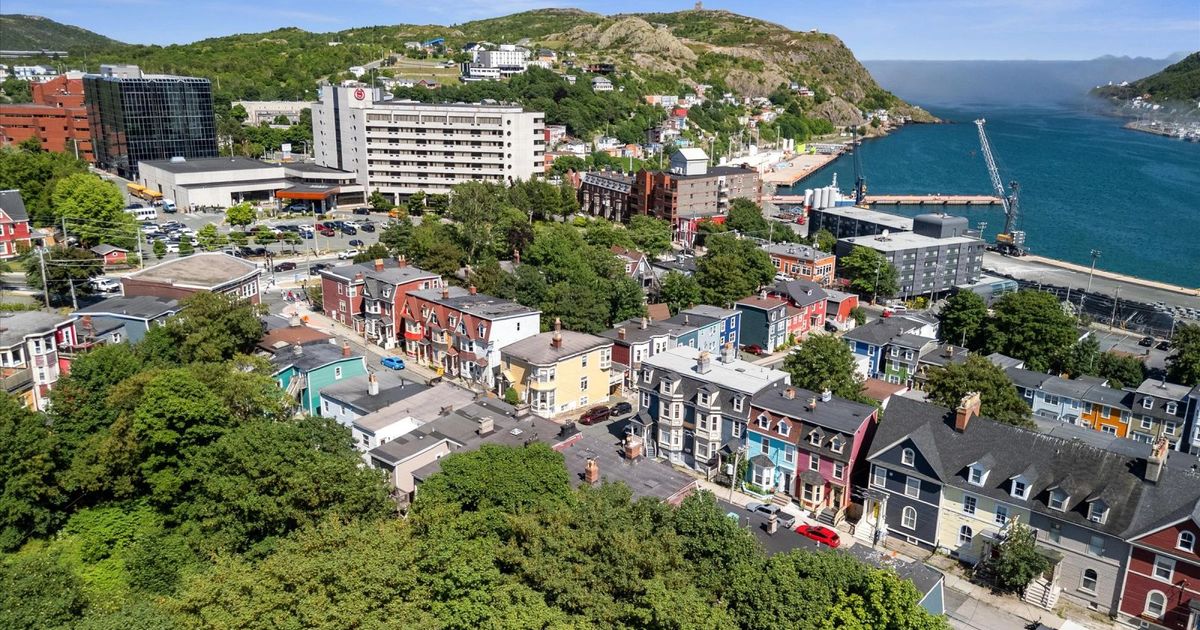
Thinking of moving to Newfoundland often starts with a feeling more than a spreadsheet. Maybe it's the rising cost of living elsewhere, the ability to work remotely, or a desire for a slower, more grounded pace of life. For others, it's the pull of community, coastline, and the idea that life doesn't always have to feel rushed.
And while the charm, scenery, and friendliness are very real, there are practical realities of living — and owning a home — in Newfoundland that don't always show up in Instagram posts or relocation headlines.
Understanding these realities ahead of time doesn't make the move less appealing. In fact, it often makes the transition smoother, more confident, and far more successful.
Housing in Newfoundland: Older, Solid, and Different
One of the biggest surprises for newcomers is the housing stock, particularly in and around St. John's. Newfoundland has a much older housing inventory than many other provinces. That doesn't mean homes are unsafe or poorly built — many are incredibly solid — but it does mean buyers need to adjust expectations.
You'll see:
- Homes built decades ago, often with strong bones but dated systems
- Layouts that reflect older living styles, with smaller rooms or steeper stairs
- Construction standards that pre-date modern efficiency codes
For buyers coming from newer subdivisions elsewhere in Canada, this can feel like a shift. The key is understanding what matters most: structure, maintenance history, and operating costs — not just age or aesthetics.
Housing & Operating Costs: What Really Matters Month to Month
In Newfoundland, the true cost of homeownership isn't just the purchase price. Monthly operating costs can vary significantly depending on the home's systems and efficiency.
Many homes use:
- Oil heat
- Electric baseboard heating
- Heat pumps & mini splits (increasingly common in upgraded homes)
Each system comes with different costs, maintenance needs, and long-term considerations. For newcomers, especially those used to gas heating or newer builds, it's important to factor in:
- Average winter heating costs
- Insulation quality
- Electrical capacity
- Potential upgrades over time
Understanding these costs upfront helps buyers avoid surprises and feel financially comfortable once they've settled in.
Weather and Daily Life: A Different Kind of Winter
Winters in Newfoundland are often misunderstood. They're not always brutally cold, but they can be wet, windy, and unpredictable. Storms can roll in quickly, and weather can change within hours.
Homeownership here means being comfortable with:
- Snow clearing and ice management
- Storm preparation
- Regular exterior maintenance due to wind and moisture
The trade-off is meaningful. Summers are mild and comfortable, traffic is minimal, and access to nature — trails, coastline, and open space — is woven into everyday life. Many newcomers find that while the weather requires adaptation, it also encourages resilience and a slower rhythm.
Lifestyle Shifts Most Newcomers Love
What surprises most people isn't the housing or the weather — it's the lifestyle shift.
Commutes are short. Neighbourhoods are tight-knit. Conversations last longer. Life feels more human. Many people moving from larger cities realize they regain something they didn't know they'd lost: time.
Time shows up as:
- More evenings at home instead of in traffic
- Stronger connections with neighbours
- More space for family, hobbies, and rest
- Less pressure to constantly rush or “optimize” every moment
This shift isn't instant, but for many, it becomes the most valuable part of the move.
Adjusting Expectations Leads to Better Outcomes
The people who thrive most after moving to Newfoundland tend to be those who arrive informed and flexible. They understand that homes may require more maintenance, weather requires preparation, and systems may be different than what they're used to — but they also recognize what they gain in return.
For those willing to adapt, moving to Newfoundland often becomes less about relocation and more about recalibration. A chance to slow down, reassess priorities, and build a life that feels more balanced and intentional.
And for many newcomers, once the adjustment period passes, Newfoundland doesn't just feel like a place they moved to — it feels like home. ❤️
Check out our relocation information here
Ready to get started? Send us a message. Let's Chat.